On Time Restoration

Restoration and Cleanup Charlottle

  • Water
  • Fire
  • Storm
  • Mold
  • (704) 275-3701
  • Schedule

Black Mold vs Mildew: What’s the Difference?

May 26, 2026 by Charles

Black mold and mildew are both types of fungal growth caused by excessive moisture, but they are not the same thing. They differ in appearance, growth pattern, health risks, and how deeply they spread into building materials.

Many homeowners in Charlotte confuse mold and mildew after water damage, humidity problems, or recurring leaks. A small patch of mildew on bathroom tile may seem harmless. Hidden black mold behind drywall can be a bigger issue. It can affect indoor air quality and nearby materials.

Understanding the difference helps homeowners know when cleaning is enough and when professional mold removal may be needed.

Quick Takeaways
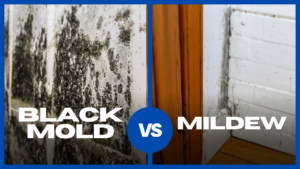
  • Black mold vs mildewMildew usually grows on damp surfaces and is easier to clean.
  • Black mold can spread deep into porous building materials.
  • Mold often appears slimy or fuzzy, while mildew looks powdery or flat.
  • Both thrive in humid environments and after water damage.
  • Strong odors and recurring growth may signal a larger mold problem.
  • Charlotte humidity can accelerate mold and mildew growth indoors.

Black Mold vs Mildew: What’s the Main Difference?

The main difference between black mold and mildew is how aggressively they spread and how deeply they penetrate materials.

Mildew usually remains on the surface of damp areas and is easier to remove. Black mold, including stachybotrys chartarum, can spread into drywall, wood, insulation, and other porous materials after long-term moisture exposure.

Here’s a quick comparison:

Mildew Black Mold
Flat or powdery texture Fuzzy or slimy texture
White, gray, or yellow color Dark greenish black appearance
Surface-level growth Deep mold growth inside materials
Common in bathrooms and windows Common after water damage
Easier to clean Often requires remediation services
Mild musty smell Strong musty smell
Lower health risks Greater indoor air quality concerns

What Is Mildew?

Mildew is a surface-level fungal growth that commonly develops in damp environments with poor ventilation.
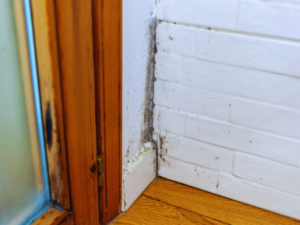
Mildew growing inside Charlotte homeIt often appears on:

  • Bathroom tile
  • Shower walls
  • Window frames
  • Laundry rooms
  • Around sinks

Mildew growing on surfaces is usually white, gray, or yellow and may look powdery or flat. It typically develops in areas with elevated humidity level and repeated condensation.

When caught early, mildew is often easier to clean than deeper mold growth.

What Is Black Mold?

Black mold is a serious type of fungal growth. It is often linked to long-term water damage and too much moisture.

One well-known type of mold is stachybotrys chartarum, which typically grows on wet drywall, wood, insulation, and other porous building materials.
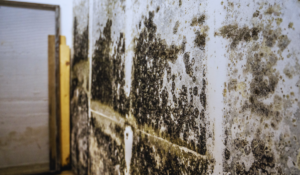
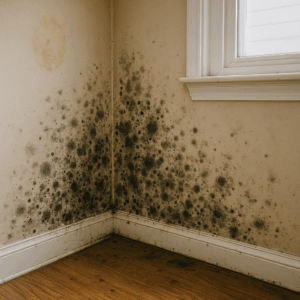
Black mold infestation on drywallBlack mold may appear:

  • Dark greenish black
  • Slimy
  • Fuzzy
  • Patchy

Unlike mildew, mold spores can spread deeper into walls, flooring, and crawl spaces. Over time, mold growth may affect indoor air quality and increase the risk of health issues inside the home.

Visible black mold often requires professional mold remediation and moisture control to fully resolve the issue.

How to Tell If You Have Mold or Mildew

Appearance

Mildew usually appears flat and powdery with a lighter color. Mold often looks fuzzy, raised, or slimy and may spread in irregular patterns.

Identifying black mold typically involves looking for darker greenish black patches that continue expanding over time.

Smell

Both mold and mildew can create a musty smell, but mold odors are usually stronger and more persistent.

A powerful musty odor after leaks or water damage often signals hidden mold growth behind walls or flooring.

Location

Mildew commonly develops on visible damp surfaces like bathroom tile, windows, and shower walls. Mold often grows in hidden areas including:

  • Behind drywall
  • Under flooring
  • Inside crawl spaces
  • Around HVAC systems
  • Beneath cabinets
  • Inside insulation

What Causes Mold and Mildew to Grow?

Mold and mildew thrive in damp environments with excessive moisture and poor airflow. Common causes include:

  • Water damage
  • Hidden plumbing leaks
  • Flooding
  • High humidity levels
  • Damp drywall
  • Condensation
  • Poor ventilation
  • Crawl space moisture

Charlotte’s humid climate can make moisture problems worse, especially after storms or plumbing leaks. When moisture remains trapped inside building materials, mold spores begin spreading quickly.

Is Black Mold More Dangerous Than Mildew?

Black mold is often more serious than mildew. It can spread deeper into materials. It may also cause bigger indoor air quality problems.

Exposure to mold may contribute to:

  • Allergic reactions
  • Respiratory irritation
  • Headaches
  • Coughing
  • Sinus congestion

Not every type of mold causes serious health risks. But large mold growth or repeated contamination should be inspected by a professional.

Mildew is usually less severe, though it can still contribute to odors and minor irritation in damp environments.

Can You Clean Mold or Mildew Yourself?

Small mildew spots on hard surfaces can often be cleaned if the moisture source is corrected quickly.

However, bleach is not always enough to fully remove mold growth from porous building materials. Surface cleaning may temporarily hide the problem while hidden mold continues spreading underneath.

Professional mold removal may be necessary when:

  • Mold keeps returning
  • Water damage affected drywall or insulation
  • Large areas are contaminated
  • Strong odors remain
  • Hidden moisture exists behind walls

Professional remediation services use containment systems, moisture meters, air filters, and structural drying. They address the source of the mold problem.

When to Call a Mold Removal and Remediation Company
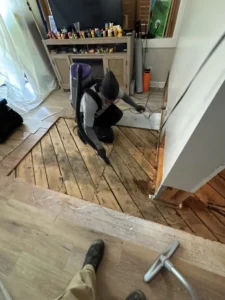
Mold Removal Specialist removing mold in Charlotte, NC homeYou should contact a professional mold removal company if you notice:

  • Visible black mold
  • Recurring mildew growth
  • Strong musty odors
  • Water damage older than 24–48 hours
  • Mold spreading behind walls or flooring
  • Large contaminated areas
  • Persistent moisture problems

Fast action helps prevent additional mold growth and protects your home’s indoor air quality.

FAQ

Is black mold worse than mildew?

Yes. Black mold typically spreads deeper into materials and may create greater indoor air quality and health concerns than surface mildew.

Does mildew turn into mold?

No. Mildew and mold are different types of fungal growth, though both thrive in damp conditions.

Can mildew make you sick?

Mildew may contribute to allergic reactions, irritation, and respiratory discomfort in some people.

What does black mold smell like?

Black mold often creates a strong musty smell that lingers in damp or contaminated areas.

Is bleach enough to kill mold?

Bleach may clean surface staining, but it often does not remove hidden mold inside porous materials like drywall or wood.

Can mold grow behind walls?

Yes. Mold commonly spreads behind walls, under flooring, and inside insulation after water damage or hidden leaks.

Does homeowners insurance cover mold remediation?

Coverage depends on the source of the moisture problem and the homeowner’s insurance policy.

Protect Your Charlotte Home From Mold Growth
If you notice visible mold, recurring mildew, or musty odors inside your home, fast action matters. Mold growth can spread quickly after water damage, especially in Charlotte’s humid climate.

On Time Restoration provides professional mold removal and remediation services throughout Charlotte, NC and surrounding areas. As part of the Dependaworthy family of brands, our team helps homeowners find moisture problems. We improve indoor air quality and safely restore affected areas before mold spreads.

Don’t ignore hidden moisture or recurring fungal growth. Contact On Time Restoration today for professional mold remediation and water damage recovery services.
Filed Under: Uncategorized

How Long Does Mold Take to Develop?

May 26, 2026 by Charles

Mold can begin developing within 24 to 48 hours after water damage under the right conditions. That timeline surprises many homeowners, especially after leaks, flooding, burst pipes, or storm damage. In Charlotte, NC, high humidity levels can make the problem even worse.

The longer excess moisture stays in a home, the higher the risk of mold growing behind walls, under floors, and in materials. Fast cleanup and pro drying can reduce damage, protect indoor air quality, and help prevent mold later.

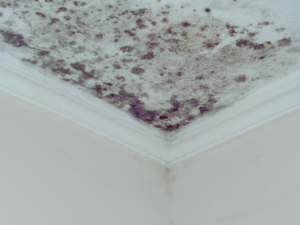
Quick TakeawaysMold developing on ceiling of Charlotte home

  •  Mold can start developing within 24 to 48 hours after water damage.
  • Warm, humid environments speed up mold growth.
  • Drywall, carpet, insulation, and wood are highly vulnerable.
  • Mold often grows behind walls before becoming visible.
  • Fast drying and mold restoration reduce structural damage and health risks.
  • Charlotte’s humidity can accelerate indoor mold growth.

How Long Does Mold Take to Develop?

Mold can begin growing within 24 to 48 hours after water exposure. In some cases, mold spores activate even sooner when humidity levels remain high and airflow is poor.

Mold spores already exist naturally indoors and outdoors. Most of the time, they remain harmless. The problem starts when excessive moisture enters a home and creates the right conditions for mold growth.

Water damage from leaks, flooding, roof damage, or plumbing failures can quickly soak drywall, wood, carpet, and insulation. Once those building materials stay damp long enough, mold species begin feeding and spreading.

Several factors affect how quickly mold develops:

  • Warm temperatures
  • Poor ventilation
  • Standing water
  • Damp crawl spaces
  • Hidden leaks
  • High indoor humidity

Delayed cleanup can get costly. Mold may grow behind walls or under floors. You may not see it until the damage spreads.

Mold Growth Timeline After Water Damage

First 24 Hours

During the first day after water damage, moisture begins soaking into porous building materials like drywall, carpet, insulation, and wood. Mold spores may already start activating if humidity levels remain high.

Even if surfaces appear dry, hidden moisture pockets can remain trapped inside walls and flooring.

24 to 48 Hours

This is the critical window. Mold colonies can begin forming during this timeframe, especially in humid areas of the home.

Visible mold may not show yet. But it may already be spreading behind drywall, under carpet padding, and inside insulation.

48 to 72 Hours

After several days, mold growing inside hidden spaces becomes more aggressive. Musty odors often develop as indoor air quality declines.

At this stage, black mold and other mold species may begin spreading across damp materials and contaminated surfaces.

One Week Later

After a week, the mold problem can become severe. Structural materials may weaken, odors become stronger, and contamination spreads throughout the affected area.

Mold removal and mold remediation often become much more extensive once damage reaches this point.

What Causes Mold to Grow Faster?

Several conditions speed up mold growth after water damage.

High humidity levels are one of the biggest factors, especially in Charlotte’s warm climate. Homes with poor airflow or excess indoor moisture are more vulnerable to rapid mold development. Other common causes include:

  • Standing water
  • Wet drywall
  • Damp crawl spaces
  • Poor ventilation
  • Hidden plumbing leaks
  • Flood damage
  • Roof leaks

Homes in Charlotte often have higher moisture during storms and humid summer months. This raises the risk of indoor mold spreading quickly.

Where Mold Usually Develops in Homes

Mold growing in corner of houseMold often develops in dark, damp areas where moisture remains trapped. Common locations include:

  • Behind drywall
  • Under carpet and padding
  • Bathrooms
  • Crawl spaces
  • Attics
  • Around HVAC systems
  • Under sinks
  • Inside cabinets
  • Beneath flooring

Because mold frequently spreads in hidden areas, it may not become visible to the naked eye until the damage worsens.

Signs Mold May Already Be Developing

Some mold problems are obvious. Others stay hidden for weeks. Common warning signs include:

  • Musty odors
  • Dark discoloration on walls or ceilings
  • Warped drywall
  • Peeling paint
  • Damp smells after storms or leaks
  • Increased allergy symptoms
  • Persistent humidity indoors
  • Visible mold around vents or baseboards

If you notice several of these signs after water damage, mold remediation may already be necessary.

Can Mold Grow Even After Water Looks Dry?

Yes. Water damage often leaves hidden moisture behind long after surfaces appear dry.

Drywall, insulation, wood framing, and subflooring can hold moisture deep inside the material. Those hidden water pockets continue feeding mold spores even when the visible area looks normal.

Professional mold restoration companies use moisture meters, thermal imaging tools, and drying methods. These help them find trapped moisture that homeowners cannot see.

Without proper drying, mold growth can continue behind walls and beneath flooring for days or even weeks.

How to Prevent Mold After Water Damage

Fast action matters. To reduce the risk of mold developing:

  • Remove standing water immediately
  • Use fans and dehumidifiers
  • Improve airflow throughout the home
  • Remove soaked carpet or drywall when necessary
  • Dry wet areas within 24 to 48 hours
  • Schedule professional structural drying quickly

The faster moisture disappears, the lower the risk of severe mold growth.

When to Call a Mold Restoration Company

Mold Removal Specialist removing mold in Charlotte, NC homeYou should contact a professional if:

  • Water damage is older than 24 hours
  • You notice visible mold
  • Strong musty odors develop
  • Moisture keeps returning
  • Walls or flooring feel damp
  • You suspect hidden damage behind surfaces

Professional mold restoration services help identify hidden moisture, contain contamination, improve indoor air quality, and safely remove mold from affected materials.

FAQ

Can mold develop in 24 hours?

Yes. Mold spores can begin activating within 24 hours when excessive moisture and warm temperatures are present.

Does mold always grow after water damage?

Not always. Fast drying and proper cleanup can prevent mold growth if moisture is removed quickly enough.

Can mold develop behind walls?

Yes. Mold commonly spreads behind drywall, insulation, cabinets, and flooring where moisture stays trapped.

What temperature helps mold grow fastest?

Mold generally grows faster in warm, humid conditions between 77 and 86 degrees Fahrenheit.

Is mold dangerous to breathe?

Some mold species may negatively affect indoor air quality and trigger respiratory irritation, allergy symptoms, headaches, or asthma flare-ups.

Can dehumidifiers stop mold growth?

Dehumidifiers help reduce humidity levels, but they may not fully remove hidden moisture inside building materials after water damage.

Does homeowners insurance cover mold damage?

Coverage depends on the cause of the damage and the homeowner’s insurance policy. Sudden water damage may qualify for coverage in some situations.

Protect Your Charlotte Home From Mold Damage

If your home has experienced leaks, flooding, or water damage, fast action matters. Mold can begin spreading quickly, especially in Charlotte’s humid climate.

On Time Restoration provides professional mold restoration services throughout Charlotte, NC and surrounding areas. As part of the Dependaworthy family of brands, our team responds quickly to detect hidden moisture, stop mold growth, improve indoor air quality, and restore your property safely.

Don’t wait until visible mold spreads across your home. Contact On Time Restoration today for fast, professional mold remediation and water damage recovery services.

Filed Under: Uncategorized

Contact Us

Address: 3030 Whitehall Park Dr. Suite 4, Charlotte, NC 28273

Phone: (704) 275-3701

Our Services

Water Damage Restoration
Fire Damage Restoration
Storm Damage Restoration
Mold Removal & Remediation

Our Office: 3030 Whitehall Park Dr Suite 4, Charlotte, NC 28273
Copyright © 2026 · Dependaworthy On Time Restoration