Water damage restoration can take anywhere from a few days to several weeks. Water extraction may take several hours, while structural drying often takes about 3–5 days. Repairs can add days or weeks to the timeline. The total restoration time depends on the amount of water, affected materials, contamination, and repairs needed.
Water mitigation and structural drying are usually much faster than complete water damage restoration. A home may be dry within several days but still need new drywall, flooring, cabinets, or other repairs before the restoration process is complete.
Quick Takeaways
- Water extraction may be completed within several hours for smaller water losses.
- Structural drying commonly takes about 3–5 days.
- Larger or more complex drying jobs may take longer.
- Drying does not mean the water damage restoration process is finished.
- Replacing drywall, flooring, cabinets, or other materials can add days or weeks.
- The amount of water and type of water involved can affect the restoration timeline.
- Starting water removal quickly can limit how far moisture spreads into building materials.
How Long Does Water Damage Restoration Take?
Most water damage restoration projects take anywhere from a few days to several weeks. Minor water damage may be handled within several days. Major water damage that requires extensive repairs can take several weeks or longer.
There is no standard water damage restoration timeline for every home. The extent of the damage, affected area, type of water involved, drying time, and repairs all affect how long the process takes.
These are general estimates rather than guarantees. A burst pipe that affects one room will usually have a much different timeline than flooding that reaches several rooms, floors, walls, and cabinets.
The biggest distinction is between drying and restoration. Professional water damage crews may finish water extraction and drying within several days. Some repairs, however, continue after the affected area is dry.
What Is the Water Damage Restoration Timeline?
The water damage restoration process usually includes inspection, water extraction, drying and dehumidification, cleaning and sanitization, and repairs. Each stage has a different timeline based on the extent of the damage.
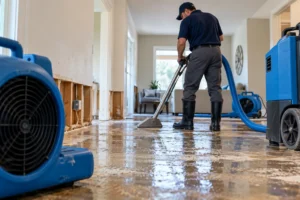 1. Inspection and Damage Assessment
A water damage assessment usually begins as soon as the restoration team arrives. The goal is to find the water source, determine how far moisture has spread, and decide what needs to be dried, cleaned, removed, or repaired.
The inspection may include checking drywall, flooring, cabinets, insulation, and other building materials. Moisture meters can help locate moisture that is not visible from the surface.
The type of water involved also matters. Water from a clean supply line requires different handling than contaminated water or sewage.
2. Water Extraction
Water extraction may take several hours for a smaller loss but can take longer when a large amount of standing water is present. Professional extraction equipment is used to remove standing water before the main drying process begins.
Fast water removal matters because standing water can continue spreading into porous materials. Drywall, insulation, wood framing, flooring, and cabinets can absorb moisture when water remains in the home.
The sooner crews can remove standing water, the sooner drying and dehumidification can begin.
3. Structural Drying and Dehumidification
Structural drying commonly takes about 3–5 days, although some water damage situations take longer. Air movers and dehumidifiers help remove moisture from the affected area and control humidity during the drying process.
Drying time depends on the materials involved and how deeply water has penetrated. Drywall, wood framing, subflooring, carpet, and other materials do not all dry at the same rate.
Professional water damage restoration crews can use moisture meters and drying measurements to track progress. A wall or floor should not be considered dry simply because the surface feels dry to the touch.
4. Cleaning and Sanitizing
Cleaning and sanitization may occur during or after the drying process. The amount of cleaning required depends heavily on the type of water involved and what materials were affected.
Clean water from a burst pipe generally requires a different cleanup process than sewage or other contaminated water. Black water can contain harmful contaminants and may require removal of materials that cannot be safely cleaned.
Cleaning may also include treating affected surfaces and removing damaged materials when necessary.
5. Water Damage Repairs
Water damage repairs may take several days to several weeks or longer. The repair timeline depends on how much material had to be removed and the extent of the damage.
Small repairs may involve replacing sections of drywall, baseboards, or carpet. Larger restoration projects may require new flooring, insulation, cabinets, walls, or other building materials.
This stage explains why a home can be dry but not fully restored. Structural drying may take several days, while reconstruction can extend the complete water damage restoration timeline considerably.
What Makes Water Damage Restoration Take Longer?
The amount of water, affected area, water source, damaged materials, and required repairs can all extend the water damage restoration timeline. Two homes with water damage can require very different drying and repair times.
Amount of Water
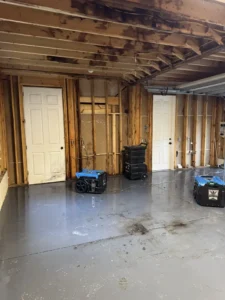 A larger amount of water usually requires more extraction and drying time. A small plumbing leak contained to one area is different from standing water covering several rooms.
Large water losses can also allow moisture to reach more building materials. Water may spread underneath flooring or into walls before the full extent of the damage becomes visible.
Size of the Affected Area
Water damage that affects several rooms or floors usually takes longer to dry than damage in a small area. A larger affected area requires more extraction, drying equipment, moisture monitoring, and potentially more repairs.
Water can also travel beyond the area where the original leak occurred. Moisture testing helps determine how far the water actually spread.
Type of Water
The type of water involved affects the cleanup process. Clean water, gray water, and black water can require different levels of cleaning, sanitization, and material removal.
Sewage and other heavily contaminated water can make restoration more complex. Porous materials exposed to contaminated water may need to be removed rather than dried and reused.
Materials That Got Wet
Different building materials have different drying times. Drywall, insulation, carpet, hardwood flooring, cabinets, subflooring, and structural framing all respond differently to water.
Some materials can be dried in place. Other materials may swell, separate, deteriorate, or become too contaminated to save. Removing and replacing those materials adds time to the restoration process.
How Long the Water Was Present
Water that remains in a home can continue spreading into porous building materials. A longer exposure time may increase the amount of material that needs to be dried or removed.
Starting water extraction quickly can also reduce the risk of mold growth and secondary water damage. Delayed cleanup can turn a relatively contained water loss into a more complicated restoration project.
Repairs and Reconstruction
Repairs are often the longest part of a major water damage restoration project. Drying may be completed within several days, while rebuilding damaged areas can take much longer.
Replacing drywall or baseboards may be relatively quick. Replacing hardwood flooring, cabinets, insulation, or larger sections of walls can extend the water damage repair timeline into several weeks or longer.
How Long Does It Take to Dry a House After Water Damage?
Structural drying commonly takes about 3–5 days after water damage, although larger or more severe water losses can take longer. Drying time depends on moisture levels, humidity, airflow, affected materials, and how deeply water penetrated the structure.
Professional drying often uses air movers and dehumidifiers to move moisture out of wet materials and control humidity. Moisture meters can track whether drywall, flooring, framing, and other materials are actually drying.
A surface can feel dry while moisture remains inside drywall, flooring, or structural materials. For that reason, looks and touch alone are not reliable ways to know when a water-damaged area is fully dry.
Can You Stay in Your Home During Water Damage Restoration?
Sometimes you can stay in your home during water damage restoration. The decision depends on the extent of the damage, the type of water involved, electrical hazards, equipment placement, and whether essential areas of the home remain safe and usable.
A small clean-water loss contained to one area may cause less disruption. Major flooding, sewage contamination, extensive demolition, or electrical hazards may make staying in the home unsafe or impractical.
A professional water damage restoration company can assess the affected area and explain whether parts of the home should be avoided during cleanup and drying.
Does Starting Water Damage Restoration Quickly Shorten the Timeline?
Starting water damage restoration quickly can limit how far water spreads and may reduce the amount of drying and repair work needed. Fast water extraction is especially important when standing water is soaking into porous building materials.
Drywall, insulation, flooring, cabinets, and wood framing can absorb water over time. Removing the water and starting the drying process quickly can help limit additional damage.
If you discover water inside your home, On Time Restoration provides water damage restoration in Charlotte, NC to handle water extraction, structural drying, cleanup, and restoration.
How Do You Know When Water Damage Is Completely Dry?
Water damage should be considered dry based on moisture measurements, not simply how walls or floors look or feel. Moisture can remain inside building materials even when exposed surfaces appear dry.
Professional water damage restoration crews may track drying with:
- Moisture meters
- Moisture mapping
- Relative humidity readings
- Daily drying measurements
These measurements help determine whether moisture levels in the affected materials are continuing to decrease. Drying equipment can then be adjusted or removed as materials reach appropriate drying goals.
Confirming that materials are dry is also important before repairs begin. Closing damp materials inside a wall or beneath new flooring can create additional problems later.
Water Damage Restoration in Charlotte, NC
 On Time Restoration provides water damage restoration in Charlotte, NC and surrounding areas. Our team can respond to water damage with water extraction, structural drying, cleanup, and restoration services based on the needs of your property.
Every water loss is different. A small plumbing leak may require several days of drying, while major flooding can require a longer restoration and repair process.
If your home has water damage, contact On Time Restoration to assess the damage and start the drying process.
Frequently Asked Questions
How long does water damage restoration take?
Water damage restoration can take from a few days to several weeks or longer. Structural drying commonly takes about 3–5 days, while repairs may add days or weeks. The complete timeline depends on the amount of water, affected materials, contamination, and extent of the repairs.
How long does water extraction take?
Water extraction may take several hours for a smaller water loss. Large amounts of standing water can take longer to remove. The size of the affected area, amount of water, accessibility, and extraction equipment all influence water extraction time.
How long does it take for drywall to dry after water damage?
Wet drywall may take several days to dry, but there is no fixed timeline for every situation. Drying time depends on how wet the drywall became, indoor humidity, airflow, temperature, and whether insulation or other materials behind the drywall are also wet.
Moisture meters can help determine whether drywall has actually dried. Severely damaged or contaminated drywall may need to be removed instead of dried in place.
How long does it take for a flooded house to dry out?
A flooded house may require several days or longer to dry after standing water is removed. Structural drying often takes about 3–5 days, but widespread flooding can take longer because water may reach walls, insulation, subfloors, cabinets, and structural framing.
The house may also need cleaning and repairs after drying is complete.
Can water damage be repaired in a few days?
Minor water damage can sometimes be dried and repaired within several days. Water damage that requires new drywall, flooring, cabinets, insulation, or structural repairs usually takes longer.
Drying and repairs should be treated as separate parts of the timeline. A home can be dry before the restoration work is finished.
Can water damage get worse while you wait?
Yes. Water can continue moving into porous materials while a leak or standing water remains. Drywall, insulation, wood, flooring, and cabinets can absorb moisture beyond the area where the water is initially visible.
Delaying water removal can increase the affected area and the risk of mold growth. Stopping the water source and beginning extraction quickly can help limit additional damage.
How long should dehumidifiers run after water damage?
Dehumidifiers often run throughout the structural drying process, which commonly lasts several days. The correct runtime depends on humidity, moisture levels, affected materials, room conditions, and the extent of the water damage.
Professional restoration crews use moisture and humidity readings to track drying progress rather than running dehumidifiers for a predetermined number of days.
When can repairs begin after water damage?
Water damage repairs generally begin after affected areas have been dried and damaged materials have been removed as needed. Moisture readings can help confirm that remaining building materials are ready for reconstruction.
The exact timing depends on the damage. Some demolition and cleanup can occur during mitigation, while new drywall, flooring, cabinets, and other finish materials are typically installed after the area is ready for repairs.