Storm damage restoration can take a few days to several months. It depends on the damage level, insurance approval, weather, and material availability.
The process usually starts with emergency mitigation. Then we inspect the damage, clean up, and make repairs. A final walkthrough restores your home to a safe, livable condition.
Every storm leaves behind a different kind of mess, so no two restoration projects follow exactly the same schedule. In this guide, we’ll walk through each stage of the storm damage restoration timeline, explain what can speed it up or slow it down, and show you what to expect from the first emergency call until the final repairs are complete.
 Quick Takeaways
- Every storm damage restoration project follows the same general process, but timelines vary.
- Emergency mitigation usually begins within 24 hours.
- Insurance approval often determines how quickly permanent repairs start.
- Hidden water damage can extend the project.
- Larger storms may delay repairs because restoration companies become booked.
- Choosing a full-service storm damage restoration company helps keep the project moving.
How Long Does Storm Damage Restoration Usually Take?
Most storm damage restoration projects take between one week and several months. Minor damage may be repaired in days. Major structural damage can take much longer. It may require insurance approval, reconstruction, and special materials.
The timeline depends on two things: what the storm damaged and what happens after the storm is over.
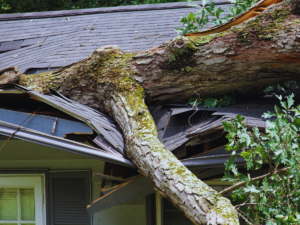
A few missing shingles may only require a quick roof repair. A tree through the roof is another story. Water intrusion can soak insulation, drywall, flooring, and wood framing long before those materials begin to show visible damage. The more damage that’s discovered during the inspection, the longer the restoration process usually becomes.
Outside factors also matter. Insurance claims, material availability, and contractor schedules all affect how quickly repairs move forward. After major storms, even simple projects may take longer because restoration companies are helping hundreds of homeowners at once.
Here’s a general idea of what most homeowners can expect.
These timelines aren’t guarantees. They’re realistic expectations based on how storm damage repairs typically unfold.
One thing is true for almost every project, though. Starting emergency storm damage restoration quickly helps prevent additional damage. Drying wet materials, covering exposed roofing, and securing the property early often shortens the timeline. This is because small problems have less time to grow.
What Happens During the Storm Damage Restoration Process?
Most restoration projects follow the same path, even if the timeline changes.
Some steps move quickly. Others take time because the work has to happen in the right order.
You can’t replace drywall until the framing is dry. You can’t repair the roof while water is still finding its way inside. Each phase prepares the home for the next one.
Step 1: Emergency Response and Property Stabilization
The first job isn’t rebuilding the house.
It’s keeping the damage from getting worse.
If the roof has been damaged, crews may install a tarp to keep more rain out. Broken windows are boarded up. Doors that no longer close properly are secured. Standing water is removed if it’s safe to do so.
These temporary repairs aren’t meant to look pretty. They’re meant to buy time.
Every hour that water continues entering a home increases the chance of additional structural damage, mold growth, and more expensive repairs later.
Step 2: Damage Inspection and Documentation
Once the property is stable, the inspection becomes much more thorough.
Restoration professionals don’t just look for what’s obvious. They look for what the storm may have left behind.
Moisture meters help locate water inside walls and under flooring. Attics, crawl spaces, and other hidden areas are inspected for signs of water intrusion. Structural components are checked to make sure they’re still sound.
Everything is documented along the way.
Photographs, measurements, moisture readings, and notes help support insurance claims. They also create a clear plan to restore the home to its pre-loss condition. A careful inspection at the beginning usually prevents surprises later.
Step 3: Water Removal and Drying
Water has a habit of traveling farther than people expect.
A leak in one room may show up somewhere else entirely. Water follows gravity, but it also follows pipes, framing, insulation, and any opening it can find.
That’s why drying the home takes more than setting up a few fans.
Professional crews use water extracting equipment, commercial air movers, dehumidifiers, and moisture monitoring tools to dry affected areas completely. They continue checking moisture levels throughout the process because materials that feel dry on the surface may still hold water inside.
The goal isn’t simply to remove water.
It’s to prevent mold growth before it has a chance to begin.
Step 4: Debris Removal and Cleanup
Once the property is dry enough, cleanup begins.
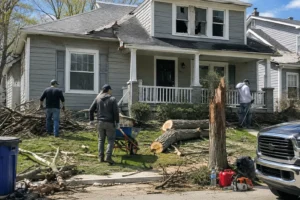
That may mean hauling away fallen tree limbs, removing damaged drywall, pulling out soaked insulation, or disposing of flooring that can’t be saved. Personal belongings are cleaned, restored, or documented if they need to be replaced.
This is often the point where homeowners begin to see progress.
The house starts looking less like it did after the storm and more like a place that’s being put back together.
Step 5: Smoke, Odor, or Mold Treatment (When Necessary)
Not every storm creates the same kind of damage.
Lightning can start fires. Floodwater may leave behind contaminants. Moisture trapped inside walls or under flooring can lead to mold if it isn’t addressed quickly.
When those problems are present, they’re handled before reconstruction begins.
Removing odors, cleaning contaminated materials, and treating mold now helps avoid bigger problems after the repairs are finished.
Step 6: Structural Repairs and Reconstruction
This is the part most homeowners picture when they hear the word “restoration.”
Roofing is repaired or replaced. Siding goes back on. Drywall is installed, floors are replaced, insulation is added, and walls are painted. Cabinets, trim, and other finishes are repaired or rebuilt until the home begins looking familiar again.
It’s also the longest stage of most projects.
Not because the work is difficult, but because every repair depends on the work that came before it. Dry materials have to stay dry. Structural repairs have to be completed before cosmetic work begins. Taking shortcuts here usually means doing the job twice.
Step 7: Final Inspection and Walkthrough
The last step isn’t packing up the tools.
It’s making sure everything is ready before the project is considered complete.
The restoration team finishes the final quality checks. They confirm the affected areas are dry. They review the completed work with the homeowner. Any remaining questions or concerns are addressed before the project is closed.
The goal isn’t simply to repair what’s broken.
It aims to restore the home as close as possible to its pre-loss condition. Then, the storm becomes something you remember, not something you still live with.
What Can Delay Storm Damage Restoration?
Most homeowners understand that repairs take time.
What’s frustrating is when they seem to stop.
In many cases, the delay has nothing to do with the restoration company. It’s simply part of the process. Knowing what can slow a project down helps set realistic expectations from the beginning.
Insurance Approval Delays
Insurance is often the biggest variable in the timeline.
After you file a claim, an adjuster may inspect the property. They may review estimates or request more documents. This can happen before they approve certain repairs. If hidden damage is discovered after work begins, updated estimates may also need approval.
Good documentation helps move insurance claims along, but some parts of the process are simply out of everyone’s hands.
Material Shortages
Most building materials are easy to find.
Some aren’t.
Roofing products, windows, siding, cabinets, and specialty finishes may have longer lead times. This is more common after major storms impact large areas. If a specific material has to be ordered, reconstruction may pause until it arrives.
In some cases, homeowners choose a comparable product that’s available sooner to keep the project moving.
Contractor Availability After Major Storms
A neighborhood can change overnight after a severe storm.
So can the demand for restoration services.
When hurricanes, hailstorms, or strong winds damage hundreds of homes at once, restoration companies get more calls than usual. Emergency work happens first because securing homes and preventing additional damage can’t wait.
Permanent repairs follow as crews become available.
It’s one of the few delays that’s actually a sign the system is working. Homes with active leaks and unsafe conditions are handled before less urgent repairs.
Hidden Damage
Storms don’t always show all of their damage right away.
Water may sit behind drywall, soak insulation, or work its way into framing without leaving obvious signs inside the home. By the time demolition begins, crews sometimes discover moisture where no one expected it.
Finding hidden damage isn’t bad news.
Ignoring it would be.
Taking the time to repair structural issues now helps prevent much larger repairs later.
Additional Storms and Weather
Ironically, the weather can delay repairs caused by the weather.
Roofing, siding, painting, and other exterior work often require dry conditions. Heavy rain, high winds, or severe weather may force crews to pause until it’s safe to continue.
Most homeowners would rather wait an extra day than have repairs completed under poor conditions.
What Homeowners Can Do to Keep Repairs Moving
 You can’t control the weather.
You probably can’t speed up your insurance company either.
There are still a few things you can do that make the restoration process smoother.
Report the damage as soon as it’s safe to do so. Storm damage rarely improves with time, and early mitigation helps prevent additional damage.
Take photographs before moving damaged items if you can do so safely. Those photos often become valuable during insurance claims.
Avoid throwing away damaged belongings until your insurance company or restoration team has documented them. What looks like trash today may be needed tomorrow to support your claim.
Respond quickly if your insurance carrier or restoration company asks for information. Small delays in paperwork sometimes create much larger delays in scheduling.
Finally, choose one restoration company that can manage the project from beginning to end. When one team handles emergency mitigation, drying, cleanup, and reconstruction, communication is simpler. The project also tends to move faster.
Should You Stay in Your Home During Storm Damage Restoration?
Sometimes you can.
Sometimes you shouldn’t.
If the damage is minor and utilities are safe, many homeowners stay home during repairs. It may be inconvenient, but it’s often manageable.
More serious damage changes the equation.
Extensive water intrusion, structural damage, electrical hazards, mold, or contaminated floodwater may make the home temporarily unsafe. Even when it is safe to stay, families with small children or pets may choose to relocate. They often wait until the noisiest work is finished.
There’s no universal answer.
A good restoration company won’t guess. They will check the property’s condition and explain if you can stay there. They will also say if temporary housing makes more sense.
Why Fast Storm Damage Restoration Matters
Storm damage rarely stays the same.
A few missing shingles can become water intrusion after the next rain. Wet drywall may begin to weaken. Damp insulation stops doing its job. Moisture trapped behind walls can create the conditions for mold growth before anyone realizes it’s there.
That’s why restoration companies focus on emergency mitigation first.
The goal isn’t to finish the repairs overnight. It’s to stop the damage from spreading while a long-term restoration plan comes together.
Acting quickly also helps with insurance claims. Many homeowners’ policies expect reasonable steps to prevent additional damage after a loss. Covering a damaged roof or removing standing water shows you have helped protect the property. It also shows you acted while permanent repairs are arranged.
In many cases, the fastest part of the restoration process isn’t rebuilding the home.
It’s stopping things from getting worse.
Storm Damage Restoration Timeline FAQs
How soon should storm damage restoration begin?
Emergency storm damage restoration should begin as soon as it’s safe to enter the property. Quick action helps prevent additional damage, reduces the risk of mold growth, and often shortens the overall restoration timeline.
How long does insurance approval usually take?
Every insurance company handles claims differently. Some approvals happen within a few days. More complex insurance claims may take longer. This can happen if more inspections or documents are needed.
Can restoration begin before the insurance claim is approved?
Yes. Emergency services such as roof tarping, board-up, and water extracting often begin immediately because they help prevent further damage. Permanent structural repairs may depend on your insurance company’s approval.
Does every storm require professional restoration?
Not always. Minor cosmetic damage may only need simple repairs. However, if there’s water intrusion, structural damage, or damage you can’t fully assess yourself, it’s worth having the property professionally inspected.
What if mold is found during repairs?
Mold is usually removed before reconstruction begins. Addressing it early helps protect the home and ensures new building materials aren’t installed over an existing problem.
Can hidden damage extend the timeline?
Yes. Wet framing, soaked insulation, structural issues, and moisture behind walls are sometimes discovered after cleanup begins. Repairing those problems takes additional time, but leaving them untreated often leads to larger repairs later.
Will my homeowner’s insurance cover temporary repairs?
Many insurance policies cover reasonable emergency measures that prevent additional damage, such as roof tarping or board-up services. Coverage varies, so it’s always best to review your policy or speak with your insurance representative.
How do I know when my home is fully restored?
Before the project is complete, your restoration company should inspect the finished work, verify that affected areas are dry, answer your questions, and confirm the home has been restored as closely as possible to its pre loss condition.
Need Storm Damage Restoration? We’re Ready to Help
 Storm damage can leave your home feeling unfamiliar, but it doesn’t have to stay that way.
At On Time Restoration, we provide 24/7 emergency storm damage restoration for homeowners throughout Charlotte, NC, and the surrounding communities. From emergency tarping and water removal to full structural repairs, our team handles every step of restoration. Our goal is simple: help you get your home back fast and safely.
If wind, hail, heavy rain, or another severe storm damaged your property, don’t wait for the damage to spread. Learn more about our storm damage restoration services or contact On Time Restoration today to schedule a professional damage assessment.