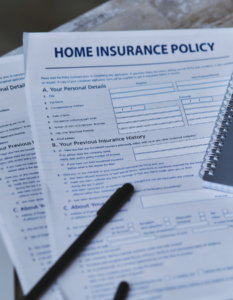
 Homeowners insurance typically covers sudden storm damage caused by wind, hail, lightning, and falling trees. Coverage depends on your policy and the cause of the damage. Flooding, gradual leaks, and damage caused by poor maintenance are commonly excluded or require separate coverage.
The important part is figuring out what caused the damage. This guide explains what homeowners insurance generally covers, what it may not cover, and what to do when a storm damages your home.
Quick Takeaways
- Most homeowners insurance policies cover sudden damage from wind, hail, and lightning.
- Coverage depends on what caused the damage.
- Standard homeowners insurance usually doesn’t cover flood damage.
- Take photos and videos before cleanup when it’s safe to do so.
- Emergency repairs can prevent further damage.
- Your deductible, coverage limit, and policy exclusions still apply.
What Types of Storm Damage Does Homeowners Insurance Cover?
Standard homeowners insurance generally covers sudden and accidental damage caused by many common storms.
But the storm itself isn’t what determines coverage. The cause of the damage matters.
Wind Damage
High winds can pull shingles from a roof, damage siding, break windows, and send tree limbs into a home.
Home insurance typically includes coverage for this type of sudden wind damage. Your dwelling coverage protects your home and attached structures up to the limits and terms of your policy.
Personal property coverage may also apply when covered wind damage affects belongings inside the home.
Hail Damage
Hail doesn’t have to be large to cause problems.
It can crack shingles, dent gutters, damage siding, and break windows. The damage isn’t always easy to see from the ground.
Homeowners insurance policies generally cover hail damage. However, deductibles and coverage rules can vary. Some policies in storm-prone areas have separate wind or hail deductibles.
Lightning and Fire Damage
Lightning strikes can damage much more than the spot they hit.
A strike can start a fire or cause electrical damage. It can also create a power surge that damages appliances and electronics.
Standard homeowners insurance generally covers damage caused by lightning and resulting fires. Coverage for individual appliances or electronics depends on the policy and circumstances.
Fallen Trees
A tree falling over doesn’t automatically mean there’s an insurance claim.
What caused it to fall matters.
If high winds knock a healthy tree onto your roof, the resulting damage may be covered by homeowners insurance. Coverage becomes less certain when a dead or neglected tree falls because of rot or poor maintenance.
The same idea applies throughout storm insurance claims. Insurance companies look at the cause, not just the damage left behind.
Water Damage Caused by a Storm
This is where homeowners insurance can get confusing.
Suppose high winds tear shingles from your roof. Rain then enters through the opening and damages the ceiling and flooring. That water damage may be covered because it resulted from covered wind damage.
Now imagine heavy rain causes a nearby creek to overflow. Water rises from the ground and enters the same house.
That’s generally considered flooding.
Standard homeowners insurance usually doesn’t cover flood damage. You typically need separate flood insurance for that.
Same rain.
Very different insurance coverage.
What Storm Damage Is Usually Not Covered?
Homeowners insurance protects your home against many sudden events. It isn’t designed to pay for every problem that happens during bad weather.
Several common exclusions are worth knowing.
Flood Damage
Standard homeowners insurance generally does not cover flooding caused by rising surface water.
That includes water entering your home from overflowing rivers, storm surge, or water accumulating on the ground.
Flood protection requires a separate flood insurance policy. Many homeowners purchase coverage through the National Flood Insurance Program (NFIP) or a private insurer.
You don’t necessarily need to live next to the ocean to experience flooding. Heavy rainfall can cause flooding well away from the coast.
If floodwater is a concern where you live, check whether your current insurance includes coverage. Don’t assume your standard policy will cover flood damage.
Wear and Tear or Poor Maintenance
Insurance is meant for sudden losses.
It isn’t meant to replace things simply because they’ve gotten old.
Suppose a storm exposes a leak in a roof that has been deteriorating for years. The insurer may cover damage directly caused by the storm but not the cost of replacing roofing that was already worn out.
Existing leaks, rot, neglected repairs, and other maintenance problems may also affect a claim.
This is one reason storm damage should be inspected carefully. New damage and old damage can exist in the same place.
Sewer and Drain Backups
Heavy rain can overwhelm sewer and drainage systems.
If sewage backs up through a drain and enters your home, your standard policy may not cover the resulting cleanup and water damage.
Many insurers offer sewer or water backup coverage as an optional endorsement.
Check your policy before you need it. That’s a much better time to discover what’s covered.
Does Homeowners Insurance Cover Roof Damage From a Storm?
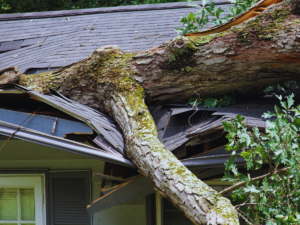 Homeowners insurance generally covers roof damage caused by sudden events such as high winds, hail, falling trees, and lightning.
The important word is sudden.
If a storm tears shingles from a roof that was otherwise in good condition, there’s a clear event that caused the damage.
An aging roof is different.
Insurance companies may limit or deny coverage when damage results from normal wear, deterioration, poor maintenance, or a problem that existed before the storm.
There can also be a difference between cosmetic and functional damage. A dent may look bad without affecting how the roof works. A cracked or missing shingle can allow water into the house.
Your policy determines how those situations are handled.
If you discover roof damage after severe weather, document what you can safely see. Don’t climb onto a damaged roof yourself.
What Should You Do After Storm Damage?
The first few hours don’t need to be complicated.
Focus on safety and documentation. Then take reasonable steps to prevent more damage.
- Make sure everyone is safe. Leave the home if you see serious structural damage, fire hazards, or other unsafe conditions.
- Stay away from electrical hazards. Avoid standing water near electrical equipment, damaged wiring, or downed power lines.
- Take photos and videos. Document damage to your home and belongings before cleanup begins when possible.
- Contact your insurance company. Report the loss and ask what documentation they need for your storm damage insurance claim.
- Prevent additional damage. Temporary tarping, board-up, and water removal may keep the original problem from getting worse.
- Contact a storm damage restoration company. A professional can inspect affected areas and begin emergency mitigation.
- Keep your records. Save estimates, receipts, photographs, emails, and other documents related to the damage.
Once emergency work begins, the next question is usually how long everything will take.
Will Insurance Pay for Emergency Storm Damage Restoration?
Homeowners insurance may cover reasonable emergency work needed after a covered loss.
This can include:
- Emergency roof tarping
- Board-up services
- Water extraction
- Structural drying
- Debris removal
These services have a simple purpose. They help keep existing damage from becoming worse.
You shouldn’t assume every expense will be reimbursed. Coverage depends on your policy, coverage limit, deductible, and the cause of the damage.
Keep receipts and documentation for any emergency work. Your insurance company can explain how your specific policy handles those costs.
How Does a Storm Damage Insurance Claim Work?
A typical storm damage insurance claim follows a fairly simple path:
Damage → Documentation → Claim → Adjuster → Estimate → Approval → Restoration
First, document the damage and report it to your insurer.
An adjuster may then inspect the property. The insurance company reviews the damage, your policy, and repair estimates before determining what it will cover.
Restoration doesn’t always wait for that entire process to finish.
Emergency work may begin while the claim is still being reviewed. A damaged roof still needs to be covered. Standing water still needs to be removed.
Permanent repairs usually come later.
The restoration company repairs your home. Your insurance company determines coverage.
Those are two different jobs.
Storm Damage Insurance FAQs
Does homeowners insurance cover wind damage?
Homeowners insurance typically covers sudden damage caused by high winds. This can include damage to roofing, siding, windows, and other parts of your home. Your deductible, exclusions, and coverage limits still apply.
Does homeowners insurance cover hail damage?
Hail damage is generally covered by homeowners insurance. Coverage may include damage to your roof, gutters, siding, and windows. Some policies have separate deductibles or rules for wind and hail claims.
Does homeowners insurance cover rain damage?
Sometimes.
Rain damage may be covered when a covered event creates an opening in your home. For example, wind may remove shingles and allow rain inside.
Water entering the home because of rising floodwater is different. Standard homeowners insurance generally doesn’t cover flooding.
Does homeowners insurance cover fallen trees?
It may cover damage when a tree falls because of a covered event such as high winds or lightning. Coverage can become more complicated when the tree was already dead, rotting, or poorly maintained.
Does homeowners insurance cover storm-related water damage?
It depends on where the water came from.
Water entering through storm damage to your roof or windows may be covered. Rising groundwater and other forms of flooding usually require separate flood insurance.
The National Flood Insurance Program and private insurers offer flood policies because standard homeowners insurance typically doesn’t include this protection.
Can I make emergency repairs before the adjuster arrives?
You can generally take reasonable steps to protect your home from further damage.
That may include placing a tarp over a damaged roof, boarding up broken windows, or removing standing water.
Document the damage first when it’s safe. Keep receipts for emergency work and contact your insurance company as soon as possible.
Storm Damage? On Time Restoration Is Ready to Help
 Storms don’t wait for a convenient time.
Neither do we.
On Time Restoration provides 24/7 emergency storm damage restoration throughout Charlotte, NC, and the surrounding areas. We can inspect the damage, secure affected areas, remove water, dry your home, clean up the mess, and handle the restoration work that follows.
Your insurance company decides what your policy covers. We focus on getting your home back in order.
Learn more about our storm damage restoration services or contact On Time Restoration when you need help.