Water damage is one of the most common and costly problems facing North Carolina homeowners. Between heavy rain, severe storms, old plumbing, and appliance failures, water can quickly damage your home. It can harm ceilings, walls, floors, insulation, furniture, and personal items.
Some water damage happens suddenly, while other problems develop quietly behind walls or beneath flooring. Understanding common causes can help you prevent water damage, spot issues early, and act fast. This helps stop small moisture problems from becoming major repairs.
Quick Takeaways
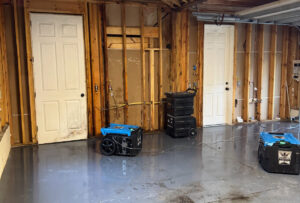 Plumbing leaks are one of the leading causes of water damage in North Carolina.
- Severe storms and heavy rainfall frequently cause flooding and roof leaks.
- Burst pipes can cause significant damage in a matter of hours.
- Appliance failures often go unnoticed until major water damage occurs.
- Crawl spaces and basements are especially vulnerable to moisture problems.
- Fast water restoration helps prevent mold growth and structural damage.
What Causes Water Damage in North Carolina Homes?
Water damage in North Carolina homes is often caused by weather events, plumbing failures, and broken appliances. It can also come from structural problems and moisture getting inside.
Some events happen without warning, such as a burst pipe or storm damage. Others develop gradually over months or years, including hidden plumbing leaks, crawl space moisture, or deteriorating roofing materials.
Regardless of the source, the category of water involved can impact the severity of the damage. For example, clean water from a broken supply line may cause fewer health concerns than gray or black water. Understanding the types of water damage can help homeowners assess the risks and restoration needs after a water loss.
1. Heavy Rain and Severe Storms
North Carolina experiences frequent thunderstorms, tropical storms, hurricane remnants, and periods of heavy rainfall throughout the year.
These weather events often lead to:
- Flash flooding
- Roof leaks
- Foundation intrusion
- Saturated crawl spaces
- Overflowing drainage systems
- Clogged gutters
Charlotte homeowners face higher risk after long periods of rain. When the ground is saturated, water can seep into homes or businesses.
Even a small roof vulnerability can allow significant moisture intrusion during a severe storm.
2. Burst Pipes
A burst pipe can release hundreds of gallons of water in just a few hours.
Common causes include:
- Aging plumbing systems
- Corrosion
- High water pressure
- Pipe movement
- Winter cold snaps
Although North Carolina winters are generally mild, freezing temperatures still occur. When water freezes inside a pipe, pressure can build and cause the pipe to rupture.
Many homeowners discover burst pipes only after extensive water damage has already occurred.
3. Plumbing Leaks
Not all water damage happens dramatically.
Small plumbing leaks often go unnoticed for weeks or months while slowly damaging surrounding materials.
Common sources include:
- Water supply line leaks
- Drain line leaks
- Hidden pipe leaks
- Slab leaks
- Fixture connection failures
These slow leaks can create ideal conditions for mold growth and mildew long before visible water damage appears.
Because the leak is hidden, many homeowners notice it only later. They may see warped floors, stained drywall, or musty odors.
4. Water Heater Failures
Water heaters are one of the most common sources of indoor flooding.
Common causes include:
- Tank corrosion
- Aging equipment
- Faulty pressure relief valves
- Loose fittings
- Leaking connections
A failed water heater can release many gallons of water. It can damage floors, drywall, and personal belongings nearby.
Routine maintenance and inspections can help identify problems before they result in significant water damage.
5. Appliance Leaks and Overflows
Household appliances move a surprising amount of water every day.
Common culprits include:
- Washing machines
- Dishwashers
- Refrigerators
- Ice makers
- Air conditioning systems
One frequently overlooked issue involves clogged condensate drain lines connected to air conditioning equipment. When these lines become blocked, water may overflow into walls, ceilings, or flooring.
Washing machine overflows are a common cause of water damage in North Carolina homes. This often happens when supply hoses wear out or drain systems fail.
6. Roof Leaks
Roof damage often develops gradually and remains hidden until significant water intrusion occurs.
Common causes include:
- Missing shingles
- Storm damage
- Flashing failures
- Aging roofing materials
- Wind damage
Water frequently enters attics first before eventually reaching living spaces.
By the time homeowners see stains on ceilings, walls, and floors, moisture may have already caused damage. It can harm insulation. It can also damage framing and drywall.
7. Crawl Space Moisture Problems
Many North Carolina homes have crawl spaces, making moisture management especially important.
Common causes of crawl space water problems include:
- Poor drainage
- Groundwater intrusion
- Foundation vent issues
- High humidity
- Heavy rain
Persistent moisture beneath a home can lead to:
- Mold growth
- Mold and mildew
- Wood rot
- Structural damage
- Poor indoor air quality
Crawl spaces often become a hidden source of moisture that affects the entire home.
8. Clogged Gutters and Poor Drainage
Exterior drainage systems play a critical role in protecting a home’s foundation.
When gutters become clogged or drainage systems fail, water may accumulate around the structure instead of being directed away.
Common issues include:
- Clogged gutters
- Improper grading
- Short downspouts
- Blocked drainage paths
- Foundation water intrusion
Over time, these problems can lead to basement flooding, crawl space moisture, foundation issues, and interior water damage.
Why Water Damage Should Never Be Ignored
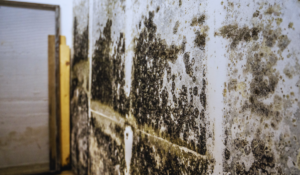 Water damage rarely improves on its own.
The longer moisture remains inside a structure, the greater the risk of:
- Mold growth
- Structural deterioration
- Electrical hazards
- Indoor air quality issues
- Material deterioration
- Increased restoration costs
In many cases, mold can begin developing within 24 to 48 hours after water exposure. Hidden moisture behind walls and under flooring can continue causing damage long after visible water disappears.
This is why prompt mitigation and drying are critical after any water loss.
How to Prevent Water Damage in Your Home
While not every water loss can be prevented, homeowners can significantly reduce their risk by taking a proactive approach.
Some simple prevention strategies include:
- Inspect plumbing regularly
- Maintain gutters and downspouts
- Check appliances for leaks
- Monitor crawl spaces
- Address leaks immediately
- Service water heaters
- Inspect roofing materials
- Schedule routine maintenance
Regular inspections often reveal small issues before they become major restoration projects.
FAQ
What is the most common cause of water damage in North Carolina?
Plumbing leaks are a common cause of water damage. Heavy rain, storms, appliance failures, and roof leaks are also common causes.
Can heavy rain cause water damage without flooding?
Yes. Heavy rain can cause roof leaks, foundation intrusion, crawl space moisture, and drainage problems even when flooding is not present.
Are crawl spaces prone to water damage in North Carolina?
Yes. High humidity, groundwater intrusion, and poor drainage make crawl spaces particularly vulnerable to moisture problems throughout North Carolina.
How quickly can water damage lead to mold growth?
Mold growth can begin within 24 to 48 hours when moisture remains untreated.
Does homeowners insurance cover water damage?
Insurance coverage depends on the cause of the loss. Sudden and accidental damage is often covered, while long-term maintenance issues may not be. Homeowners should review their policies and consult their insurance companies regarding specific situations.
Can a small leak cause major damage over time?
Absolutely. Hidden leaks often cause significant structural damage, mold growth, and material deterioration before they become visible.
When should I call a water restoration company?
You should call a restoration company when water damage includes standing water or contamination. Call if there may be hidden moisture, mold risk, or damage you cannot dry fast and safely.
Protect Your Charlotte Home From Water Damage
 Water damage can happen fast or develop slowly over time. If left untreated, it becomes more costly and disruptive.
On Time Restoration provides professional water restoration services throughout Charlotte, NC and surrounding communities. As part of the Dependaworthy family of brands, our team responds fast to remove water and dry affected areas. We help restore your property after leaks, storms, floods, and plumbing failures.
Whether you’re dealing with a burst pipe, storm damage, appliance leak, or crawl space moisture problem, we’re ready to help. Contact On Time Restoration today for fast, reliable water damage restoration services in Charlotte and the surrounding area.