Water damage is not always the same. Restoration professionals classify water damage into three categories based on contamination levels. These categories help determine the health risks involved, the cleanup methods required, and the overall water damage restoration process.
Whether the problem is burst pipes, appliance leaks, sewage backups, or flooding, knowing the water type helps you act fast. It also helps protect your home from more damage.
Quick Takeaways
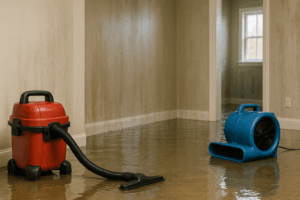 There are three categories of water damage: clean water, gray water, and black water.
- Clean water comes from sanitary sources like supply lines and faucets.
- Gray water contains contaminants that may cause illness.
- Black water contains sewage, floodwater, or dangerous pathogens.
- Water damage can become more contaminated the longer it sits.
- Fast water damage restoration helps prevent mold growth and structural damage.
What Are the Types of Water Damage?
The three main types of water damage are:
- Category 1: Clean Water
- Category 2: Gray Water
- Category 3: Black Water
The categories of water damage are based on the levels of contamination present in the water source. The higher the contamination level, the greater the potential health risks and the more extensive the restoration process becomes.
Understanding the category of water involved helps restoration professionals determine the safest and most effective cleanup strategy.
Category 1: Clean Water Damage
Category 1 water damage involves water from a sanitary source that does not initially pose a substantial health threat.
Common examples include:
- Broken supply lines
- Faucet leaks
- Burst pipes
- Overflowing sinks
- Water heaters
- Appliance malfunctions
- Rainwater before contamination occurs
Clean water damage has the lowest contamination level, but that does not mean it should be ignored.
If water remains standing for too long, it can soak into drywall, flooring, insulation, and structural materials. Water damage can lead to mold growth, warped materials, and costly repairs.
Clean water can also become gray water if left untreated.
Category 2: Gray Water Damage
Category 2 water has a moderate level of contamination. It may cause discomfort or illness if swallowed. It may also cause illness after long exposure.
Common sources include:
- Washing machine overflows
- Washing machine discharge lines
- Dishwasher overflows
- Sump pump failures
- Toilet overflows without solid waste
- Aquarium leaks
Gray water may contain chemicals, detergents, bacteria, or organic matter that increase health risks compared to clean water.
Because of the contamination involved, gray water usually requires professional cleanup, sanitization, and drying to prevent further damage and microbial growth.
Category 3: Black Water Damage
Category 3 water, commonly called black water, has the highest contamination level and presents significant health risks.
Common sources include:
- Sewage backups
- Toilet overflows containing waste
- River flooding
- Storm surge flooding
- Groundwater intrusion
- Floodwater entering a structure
Black water may contain:
- Harmful bacteria
- Viruses
- Parasites
- Sewage contaminants
- Toxic substances
Because black water can create serious health concerns, specialized restoration procedures are necessary to safely remove contamination and restore affected materials.
Clean Water vs Gray Water vs Black Water
Can Water Damage Change Categories?
Yes.
Many homeowners assume water remains in the same category indefinitely, but that is not the case.
For example:
- Clean water can become gray water.
- Gray water can become black water.
- Standing water becomes more dangerous over time.
As water sits, it collects bacteria, debris, and contaminants from surrounding building materials. What starts as a simple pipe leak can become a much larger health and restoration issue if left untreated.
This is one reason emergency water damage restoration is so important. Fast mitigation helps prevent contamination from worsening.
Water Damage Classes Explained
While categories describe contamination levels, classes describe the amount of water present and the difficulty of drying affected materials.
Class 1 Water Damage
Class 1 involves minimal water absorption and affects only a small area. Drying is typically straightforward.
Class 2 Water Damage
Class 2 involves a larger affected area with moisture absorbed into flooring, walls, and other materials.
Class 3 Water Damage
Class 3 involves extensive saturation. Water may affect ceilings, walls, insulation, flooring, and structural components.
Class 4 Water Damage
Class 4 involves materials that are difficult to dry, such as hardwood, brick, concrete, stone, or crawl spaces. Specialized drying equipment is often required.
The Cleaning and Restoration Certification (IICRC) standards use both categories and classes to guide restoration procedures.
Why Different Types of Water Damage Require Different Restoration Methods
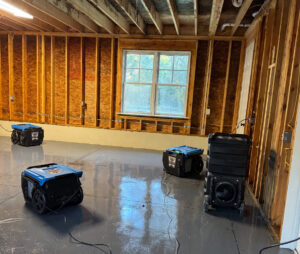 Not every water loss requires the same approach.
Depending on the category involved, restoration may include:
- Water extraction
- Structural drying
- Moisture detection
- Sanitization
- Decontamination
- Mold prevention
- Removal of contaminated materials
For example, clean water damage may require drying and monitoring, while black water contamination often requires extensive sanitation and material replacement.
This is why professional restoration companies assess both the contamination level and the extent of the damage before beginning work.
Common Causes of Water Damage in Charlotte Homes
Charlotte homeowners face several common sources of water damage throughout the year.
These include:
- Heavy rain
- Plumbing leaks
- Burst pipes
- Appliance failures
- Water heater leaks
- Roof leaks
- Crawl space moisture
- Storm damage
- Sump pump failures
When to Call a Water Damage Restoration Company
You should contact a professional restoration company if you notice:
- Standing water
- Sewage contamination
- Water damage older than 24 hours
- Hidden moisture inside walls
- Structural damage
- Signs of mold growth
- Persistent odors
- Flooding from storms
The longer water remains inside a structure, the more likely it is to cause extensive damage and contamination. Fast response can reduce repair costs and help prevent long-term issues.
FAQ
What are the three types of water damage?
The three types of water damage are Category 1 clean water, Category 2 gray water, and Category 3 black water.
What is the difference between clean water, gray water, and black water?
The primary difference is contamination. Clean water comes from sanitary sources, gray water contains moderate contaminants, and black water contains harmful pathogens and sewage.
Is gray water dangerous?
Gray water can contain bacteria, chemicals, and organic contaminants that may create health risks with prolonged exposure.
What makes black water hazardous?
Black water contains sewage, floodwater, bacteria, viruses, and other contaminants that can cause illness and require specialized cleanup.
Can clean water become black water?
Yes. If clean water remains untreated, contamination levels can increase over time and eventually reach black water conditions.
What are the four classes of water damage?
The four classes describe the amount of water absorption and drying difficulty, ranging from minimal damage (Class 1) to specialty drying situations (Class 4).
Does water damage always cause mold?
Not always. However, mold growth can begin within 24 to 48 hours if moisture is not properly removed.
Does homeowners insurance cover water damage?
Many insurance companies cover sudden and accidental water damage, but coverage varies by policy and cause of loss.
Get Fast Help for Water Damage in Charlotte
 Water damage can escalate quickly, especially when contamination levels increase or moisture spreads into walls, flooring, and structural materials.
On Time Restoration provides professional water damage restoration services throughout Charlotte, NC and surrounding communities. As part of the Dependaworthy family of brands, our team responds quickly to remove water, prevent mold growth, and restore your property safely.
Whether you’re dealing with burst pipes, flooding, sewage contamination, or hidden moisture, our experienced team is ready to help. Contact On Time Restoration today for fast, reliable water damage restoration in Charlotte and the surrounding area.